Rhinestone Template Design BEE 002: A Designer’s Real-World Review
First Impressions: A Bold, Sparkling Statement
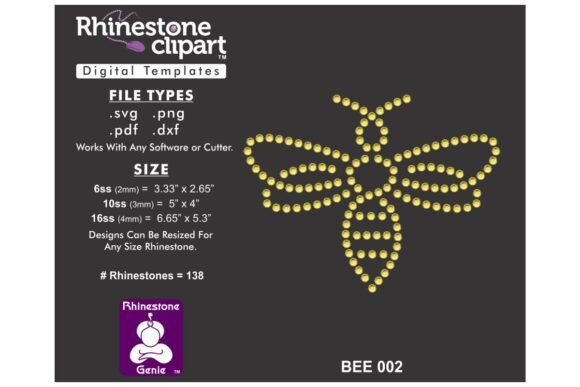
Opening Rhinestone Template Design BEE 002, the first thing that jumps out is its clean, geometric layout with a confident sparkle. It's not overly ornate, which makes it versatile for a variety of projects. The design carries a modern, slightly edgy vibe, with sharp lines and a balanced use of open space. It’s clearly crafted for impact—especially when you're looking to add a touch of shimmer without overwhelming the garment or item you're embellishing.
From a design standpoint, BEE 002 feels like it belongs in a boutique setting or as a custom accent on personalized gifts. The rhinestone template structure suggests it was built with flexibility in mind—easy to adjust in size and color placement, which is a big plus for digital embroidery files.
Real-World Use: From Sweatshirts to Tote Bags
I recently tested Rhinestone Template Design BEE 002 on a custom embroidered tote bag for a client looking for a minimalist but eye-catching accent. I resized the design to fit a centered placement on a natural canvas tote. The result? Crisp, clear rhinestone placement with a professional finish that held up well to handling and light use.
Next, I applied it to a black cotton sweatshirt. The contrast between the dark fabric and the shiny rhinestones was exactly what the customer wanted—bold, modern, and wearable. The template allowed for easy alignment, which saved time during the setting process. It’s not overly dense, which helps when working with heavier fabrics that might pucker under pressure from heavy stitching.
For small business owners and Etsy sellers, this design can be a great go-to for custom sweatshirts or personalized tees. It's adaptable enough to be used in both men's and women's fashion, and the clean aesthetic works across age groups.
Where to Use It—and Where to Be Careful
One of the things I appreciated about Rhinestone Template Design BEE 002 is its flexibility across different product types. It held up well on a baby onesie I embroidered for a friend—resized to a smaller hoop, it maintained clarity without looking crowded. It also worked surprisingly well on a curved surface, like the front of a baseball cap, though I did have to adjust the stabilizer layers to prevent distortion.
However, I wouldn’t recommend using this design on very thin or stretchy fabrics without proper backing. The rhinestone template requires precise placement, and if the fabric shifts during stitching, it can affect the final look. I also noticed that on very dark fabrics, some of the finer details were less visible unless the rhinestones were of high clarity.
If you're planning to use it on a curved surface like a cap or a rounded tote handle, make sure to test the stitch-out on a similar shape first. And for layered garments—like hoodies with thick linings—double-check that the template doesn’t require overly tight tension that could cause puckering or distortion.
Visual Appeal and Market Value
What really sets Rhinestone Template Design BEE 002 apart is how it elevates the perceived value of a finished product. Whether it's a boutique tote or a personalized gift, the sparkle adds a sense of luxury without feeling over the top. This is a big win for small shop owners who want to offer premium-looking items without complex stitching or high material costs.
From a branding perspective, this design is adaptable enough to be used across product lines. If you're building a cohesive brand for your handmade shop or Etsy store, BEE 002 can serve as a signature accent—on tags, packaging, or even digital mockups. It’s clean enough to work with minimalist branding and bold enough to stand out in a holiday collection or personalized gift line.
Practical Notes for Embroidery Designers
Before jumping into a full production run, here are a few practical tips I picked up while using Rhinestone Template Design BEE 002:
- Test on scrap fabric first, especially if you’re using a new stabilizer or working with a tricky fabric like stretch jersey or thick fleece.
- Check thread color contrast, especially if you're planning to use colored rhinestones on light or dark backgrounds.
- Review stitch density to avoid puckering—this is especially important if you're working on lightweight or textured fabrics.
- Confirm hoop size compatibility, particularly if you're resizing the design for smaller items like baby hats or patches.
- Inspect small details under magnification—some rhinestone templates can lose clarity when scaled down.
- Test it in black and white mockups to see how it translates without color influence.
- Use proper stabilizer layers, especially for stretchy or curved surfaces.
- Verify licensing terms, especially if you plan to sell finished items or include it in digital product bundles.
Also, keep in mind that while this is a digital embroidery file, the success of your project will depend on your machine's capabilities and your own technique. Don’t assume it will work perfectly out of the box—especially if you're new to rhinestone templates.
Final Thoughts: A Smart Addition to Your Design Kit
Rhinestone Template Design BEE 002 is more than just a sparkly accent—it’s a versatile, well-structured digital embroidery file that can enhance both personal and commercial projects. Whether you're a small business owner looking to elevate your product line or a hobbyist wanting to add a professional touch to handmade gifts, this design is worth considering.
It’s clean, adaptable, and performs well across a variety of fabrics and use cases. Just be mindful of the limitations and always test before committing to a final piece. With the right approach, Rhinestone Template Design BEE 002 can be a staple in your digital design toolkit for years to come.